You have probably asked it before.
In a quiz.
In a conversation.
As a joke.
What animal am I?
A wolf.
An octopus.
An eagle.
A swan.
A fox.
A tiger.
A seahorse.
A raven.
The question feels simple. Almost too simple.
But that is exactly why it works.
Animals do not need much explanation. A bison already feels different from a butterfly. A falcon feels different from a sloth. An octopus feels different from a walrus.
Before the mind builds a theory, the body understands the image.
Speed.
Grace.
Power.
Patience.
Distance.
Instinct.
Loyalty.
Mystery.
Alertness.
That is why animal symbolism has always stayed close to human imagination — in myths, dreams, stories, family crests, spiritual traditions and childhood games.
An animal is never only an animal.
It is a way of moving.
A way of protecting yourself.
A way of surviving.
A way of being seen before you say a word.
And sometimes, when the right animal appears, something in you recognizes it immediately.
One animal was never enough
Most animal quizzes give you one result and call it the truth.
"You are a wolf."
"You are a lion."
"You are a deer."
Fun, maybe.
But not quite honest.
Because you are not one simple thing.
You can be bold in one part of life and guarded in another.
You can crave freedom and still search for safety.
You can seem calm on the outside and carry a whole weather system underneath.
You can move forward with power — and disappear the moment something gets too close.
One animal cannot hold all of that.
Three can.
A defined world of 101 animals
The Animals Within is built from a defined world of 101 animal archetypes.
Not endless random results.
Not a generic quiz pool.
A closed symbolic ecosystem.
That world includes animals people immediately recognize — Wolf, Lion, Horse, Eagle, Tiger.
But it also includes more specific and unexpected images:
A Capybara.
A Secretary Bird.
A Fennec Fox.
A Capuchin Monkey.
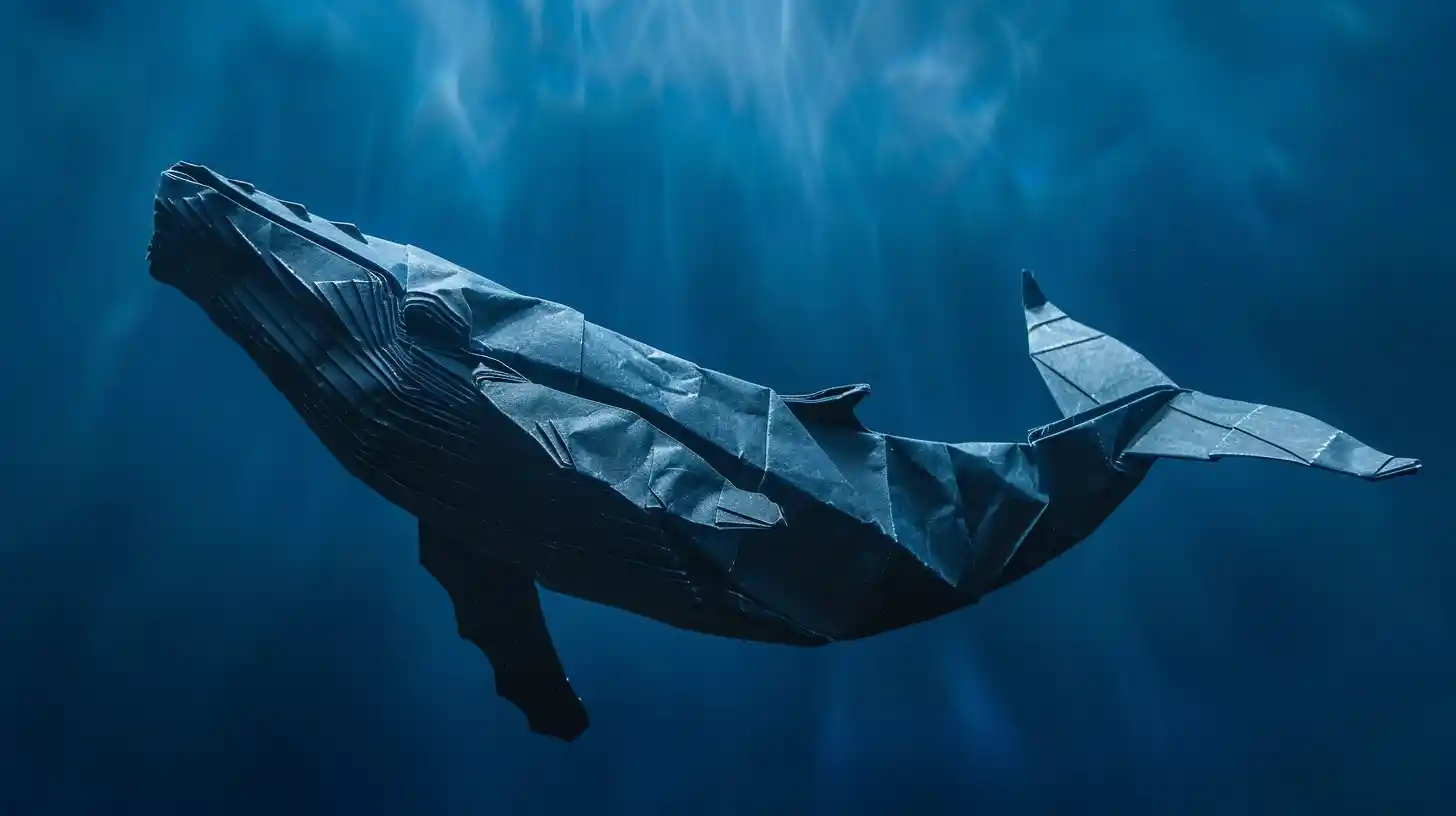
A Humpback Whale.
A Sugar Glider.
A Markhor.
A Quokka.
A White-Tailed Eagle.
A Highland Cow.
Each animal carries a different atmosphere.
Some feel fast and sharp.
Some feel soft and protected.
Some feel watchful.
Some feel solitary.
Some feel devoted.
Some feel impossible to rush.
Some survive by standing still.
Others survive by moving before anyone can catch them.
The report does not ask which animal sounds coolest.
It reveals which three forces belong together in your configuration.
The animal you lead with
Your first animal is the one you lead with.
It shows your natural movement through life.
How you enter situations.
What others may feel first.
What kind of energy comes forward before you start explaining yourself.
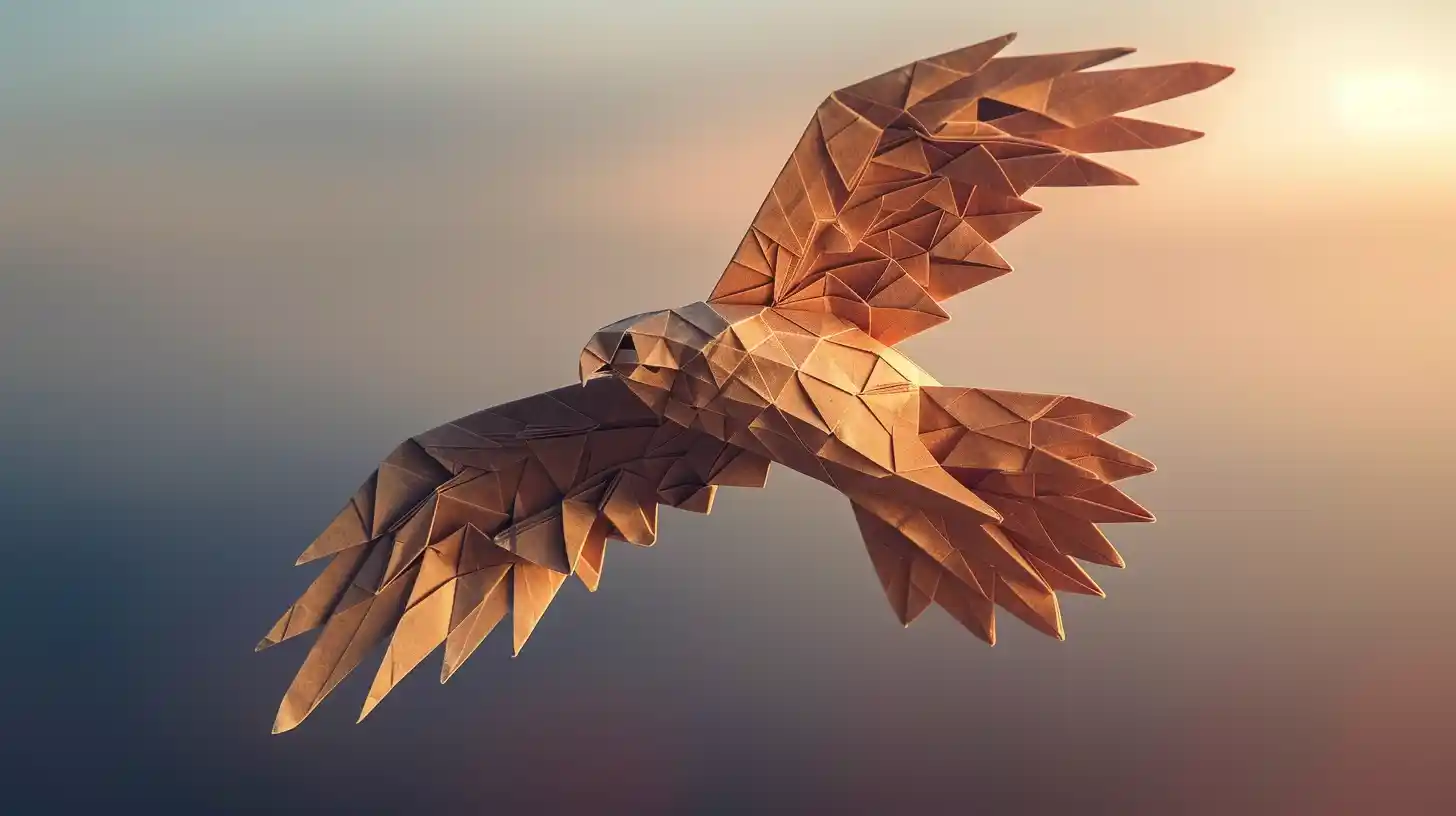
A Falcon may show precision, speed and a clear line of pursuit.
A Bison may show grounded strength and quiet endurance.
An Otter may show playfulness, adaptability and social ease.
A Black Panther may show silence, intensity and magnetic presence.
A Bee may show devotion to purpose, rhythm and contribution.
A Kangaroo may show momentum, protection and forward movement.
This animal is not the whole of you.
It is the first force people often notice.
The visible movement.
The part of you that steps forward.
The animal you hide
Then there is the animal beneath the surface.
Your shadow animal.
This is not the "bad" part of you.
It is the part that protects you.
The part that withdraws.
The part that controls.
The part that goes silent.
The part that keeps intensity hidden until it feels safe.
A Hedgehog may show guarded softness — something tender protected by spines.
A Chameleon may show adaptation, camouflage and careful self-adjustment.
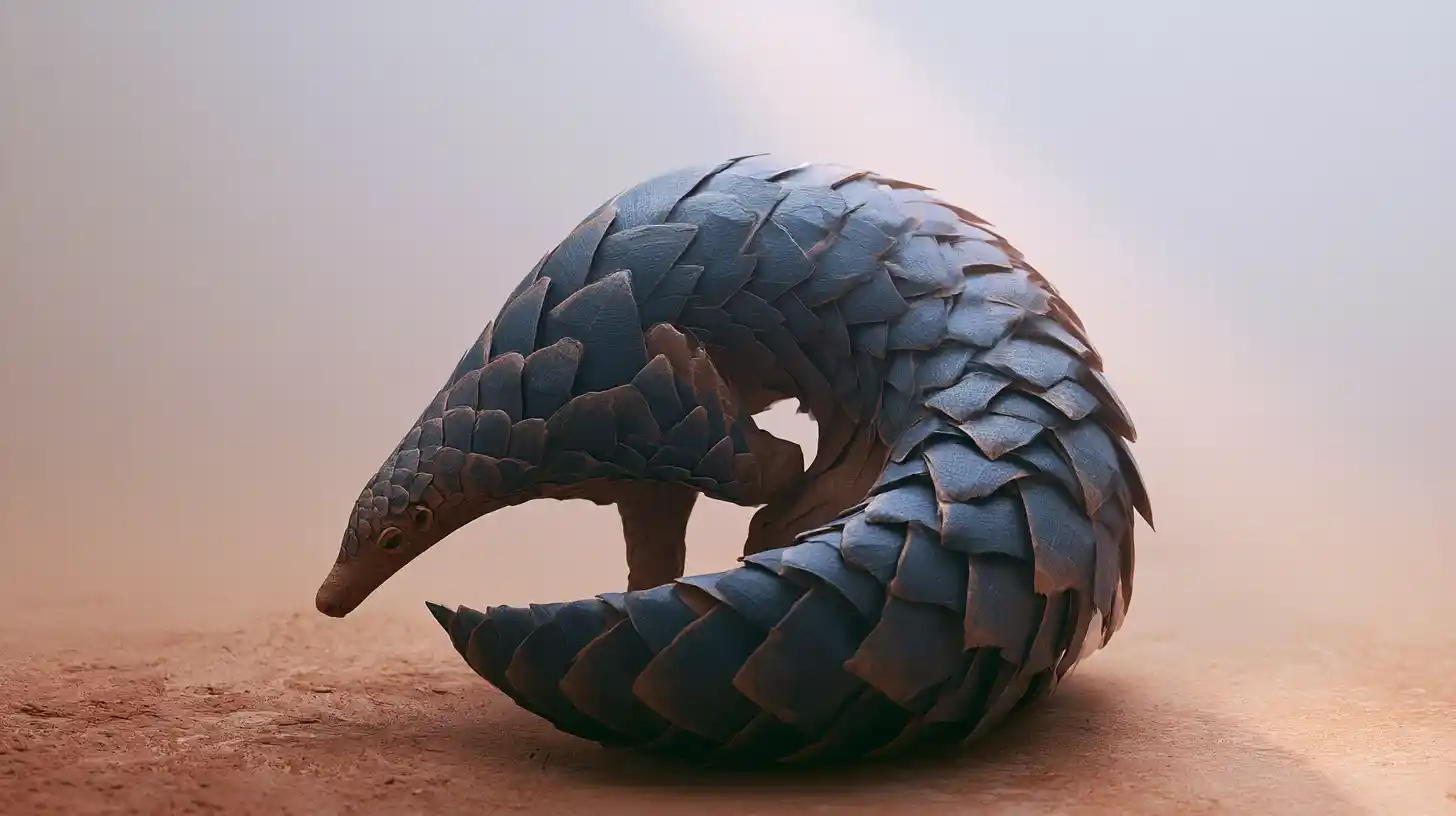
A Pangolin may show emotional armor and the instinct to curl inward.
A Lynx may show secrecy, intuition and guarded perception.
A Honey Badger may show defiance, survival and refusal to be intimidated.
A Snowy Owl may show silence, distance and watchfulness in the dark.
This animal often appears under pressure.
When you are tired.
When you feel exposed.
When someone gets too close.
When life asks for something you are not ready to give.
And sometimes, seeing this animal brings relief.
Because what once felt strange begins to look like a pattern.
The animal you love with
The third animal is your relational animal.
This one shows how you bond.
How you love.
How you stay close.
How you protect connection.
How you respond when someone matters to you.
A Swan may show devotion, grace and emotional loyalty.
A Manatee may show gentleness, patience and quiet warmth.
A Penguin may show partnership, endurance and shared rhythm.
A Red Panda may show softness, sensitivity and careful trust.
An Elephant may show memory, protection and deep attachment.
A Beluga may show play, emotional intelligence and social tenderness.
This is often the animal people feel most personally.
Because many of us recognize ourselves most clearly in relationships.
Not in what we say about ourselves.
But in how we reach for others.
How we wait.
How we withdraw.
How we protect.
How we return.
The interesting part is the combination
The real question is not only which animals you get.
It is how they live together.
One person may lead with a Falcon, hide like a Pangolin and love like a Swan.
Precision.
Armor.
Devotion.
Another may lead with a Bison, hide like a Snowy Owl and love like a Manatee.
Strength.
Silence.
Gentleness.
Someone else may carry a Black Panther, a Chameleon and an Elephant.
Presence.
Adaptation.
Memory.
Another may carry a Wolf, a Fox and a Penguin.
Loyalty.
Cleverness.
Partnership.
Another may carry a Rhinoceros, an Octopus and a Dolphin.
Force.
Adaptation.
Connection.
With 101 possible animals, the combinations become surprisingly personal.
Not because they trap you in a type.
But because they show how different forces can move through the same person at the same time.
The part that leads.
The part that hides.
The part that loves.
Together, they stop being a cute label.
They start becoming a portrait.
Three animals. Three images. One quick recognition.
The beauty of The Animals Within is that it is not only text.
Each report gives you three animal images — one for each part of your configuration.
That matters.
Before you analyze the words, you see the animal.
Its posture.
Its gaze.
Its environment.
Its energy.
The falcon cutting through open sky.
The pangolin folded into its own protection.
The swan moving with quiet devotion.
The bison standing with ancient weight.
The otter bright with motion.
The elephant carrying memory in its whole body.
The images make the report easy to feel.
Easy to remember.
Easy to share.
You can send it to someone who has never heard of Veritas and say:
"This is what I got. What do you get?"
That is part of why this report exists.
It is the easiest doorway into Veritas.
Light.
Visual.
Fast.
Free.
But still meaningful enough to leave a small echo.
Why Veritas made it free
Most Veritas reports go deeper.
They map psychological patterns, inner mechanisms, relational dynamics and symbolic structures with more detail.
The Animals Within is different.
It is the front door.
It was created to be simple enough for anyone to try, beautiful enough to share, and clear enough to answer the question people already love asking:
What animal am I?
But instead of giving you one flat answer, it gives you three.
The animal you lead with.
The animal you hide.
The animal you love with.
No payment.
No diagnosis.
No verdict on who you are.
Just a quick symbolic mirror — and the quiet click of recognizing yourself in all three.
So — which three?
Maybe you already have a guess about the animal you lead with.
The other two are usually where it gets interesting.
Because perhaps one part of you moves straight toward life.
Another protects something tender.
Another waits for real connection.
And when you see all three together, something begins to make sense.